
Laser Disc Procedures

Minimally invasive options to reduce pressure on spinal nerves from contained or bulging discs.

What are Laser Disc Procedures?

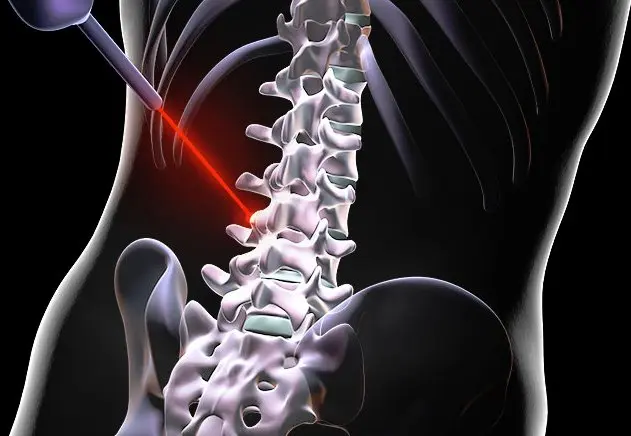
Laser disc procedures are minimally invasive techniques used to treat selected disc problems. Using fine instruments, controlled energy, or small incisions, excess disc material is removed or reshaped to reduce nerve pressure.
These percutaneous or keyhole procedures usually avoid open surgery and are often performed as day-case treatments.

When Are They Used?

Types of Procedures

PLDD (Percutaneous Laser Disc Decompression)

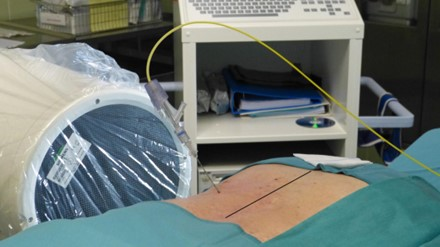
A laser fiber is placed via a fine needle into the disc; laser energy vaporizes small amounts of nucleus to lower intradiscal pressure and relieve nerve compression.
Nucleoplasty

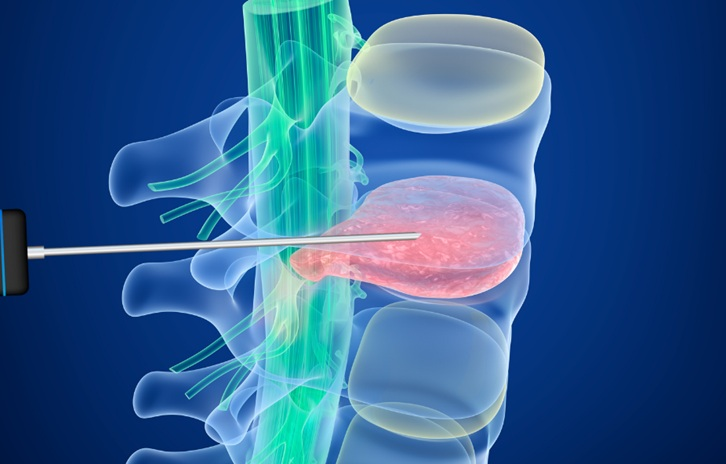
A thin probe is placed into the disc under imaging; radiofrequency/plasma energy ablates small amounts of nucleus to reduce intradiscal pressure.
Microdiscectomy

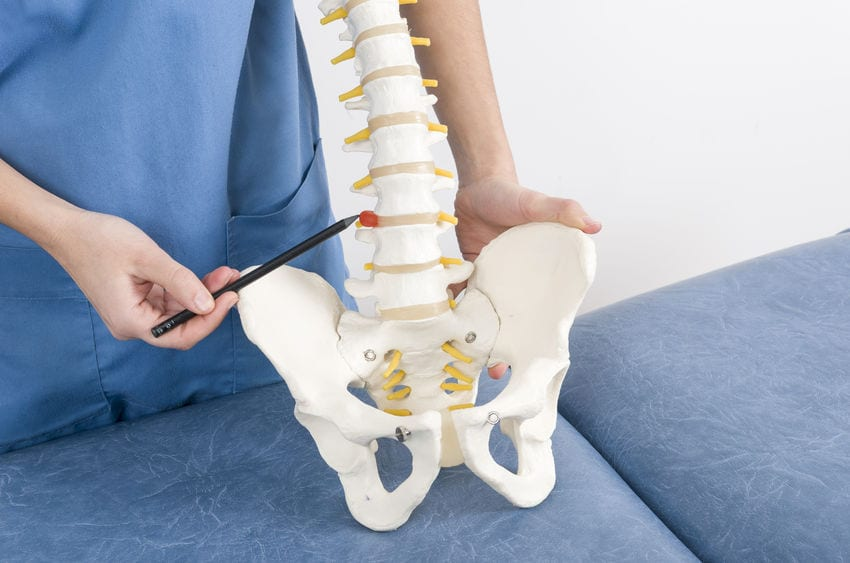
A minimally invasive surgical removal of herniated disc fragments via a small incision, often using microscopic or tubular techniques for direct nerve decompression.

All three aim to decompress the nerve root and reduce radicular pain.

Benefits

Minimally invasive with small incisions or percutaneous access

Often outpatient (same-day discharge)

Often quicker early recovery than open surgery

Can reduce reliance on long-term pain medications

May relieve nerve-related back or leg pain in selected patients

What to Expect

Outpatient Procedure

Local or general anesthesia; procedure typically 30–60 minutes.

Follow-up

Post-procedure guidance, activity plan, and rehab as needed.

Consultation & Imaging

MRI (and clinical exam) confirm the disc problem and candidacy.

Recovery

Many patients mobilize within hours and resume light activity in days to weeks.

01
Consultation & Imaging

MRI (and clinical exam) confirm the disc problem and candidacy. 

02
Outpatient Procedure

Local or general anesthesia; procedure typically 30–60 minutes.

03
Recovery

Many patients mobilize within hours and resume light activity in days to weeks.

04
Follow-up

Post-procedure guidance, activity plan, and rehab as needed.

Not all herniated discs require open surgery.
Schedule a consultation with Dr. Babak to review whether minimally invasive options—PLDD, nucleoplasty, or microdiscectomy—are appropriate for you.