

From sports injuries to arthritis, knee pain can affect every step you take, but advanced treatments can help restore movement and comfort.
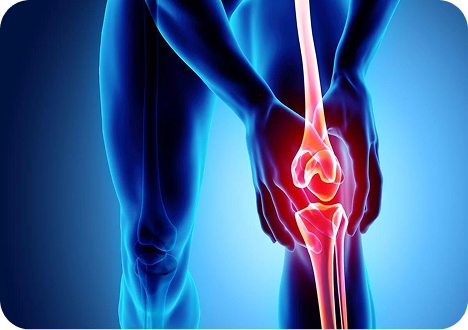
Knee pain is a widespread complaint that can affect people of all ages. It may result from injuries, arthritis, or long-term wear-and-tear. While mild pain often improves with rest, persistent or severe pain requires medical care to prevent long-term damage and disability


Overuse injuries (sports or repetitive movements)


Bursitis or tendon inflammation

Post-surgical pain

Obesity, which adds mechanical load and systemic inflammation
Painkillers, rest, or bracing can ease symptoms temporarily, but they only mask the problem and do not repair degeneration. Some studies suggest long-term use of certain drugs may even be associated with worsening cartilage health. Without targeted treatments, knee pain often becomes chronic, reducing independence and quality of life.
Painkillers, rest, or bracing can ease symptoms temporarily, but they only mask the problem and do not repair degeneration. Some studies suggest long-term use of certain drugs may even be associated with worsening cartilage health. Without targeted treatments, knee pain often becomes chronic, reducing independence and quality of life.
At Armada Medical Center, our board-certified pain management specialists provide advanced, minimally invasive treatments to relieve pain and improve knee function:
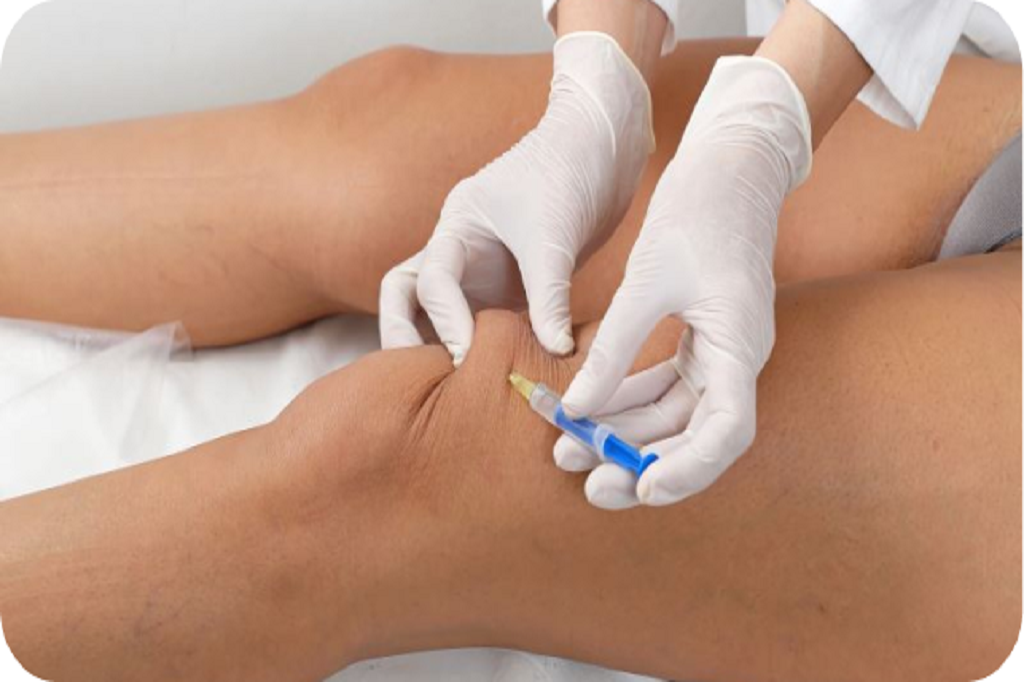
Corticosteroid injections for potent short-term relief or Platelet-Rich Plasma (PRP) to promote long-term healing.
Learn More

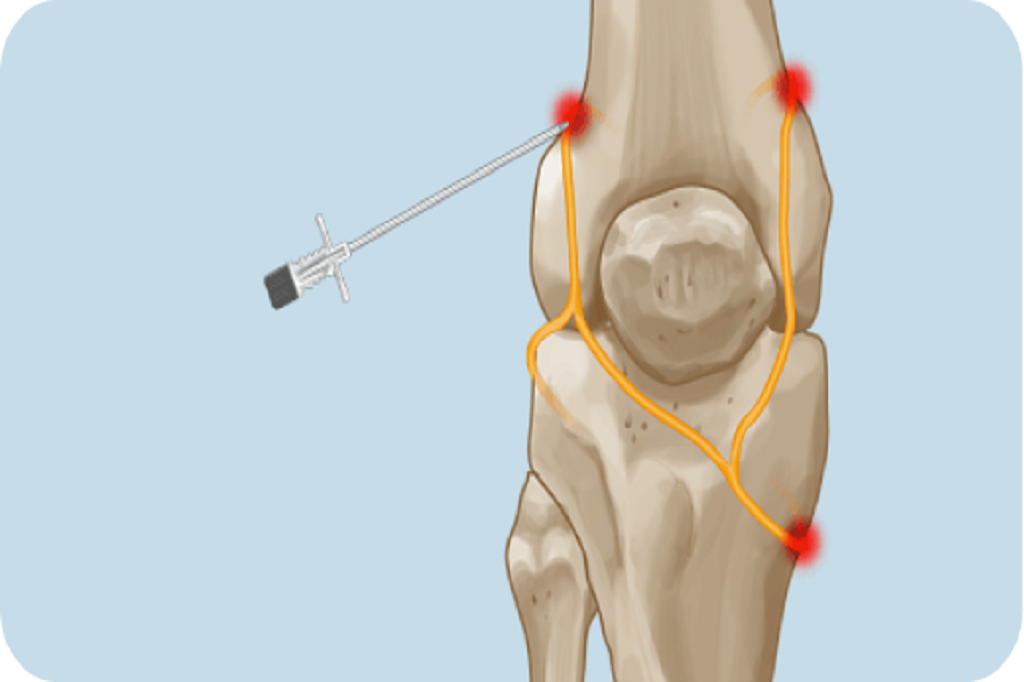
A two-step process. First, a diagnostic nerve block identifies the pain source.If successful, Radiofrequency Ablation is used to provide long-lasting relief.
Learn More
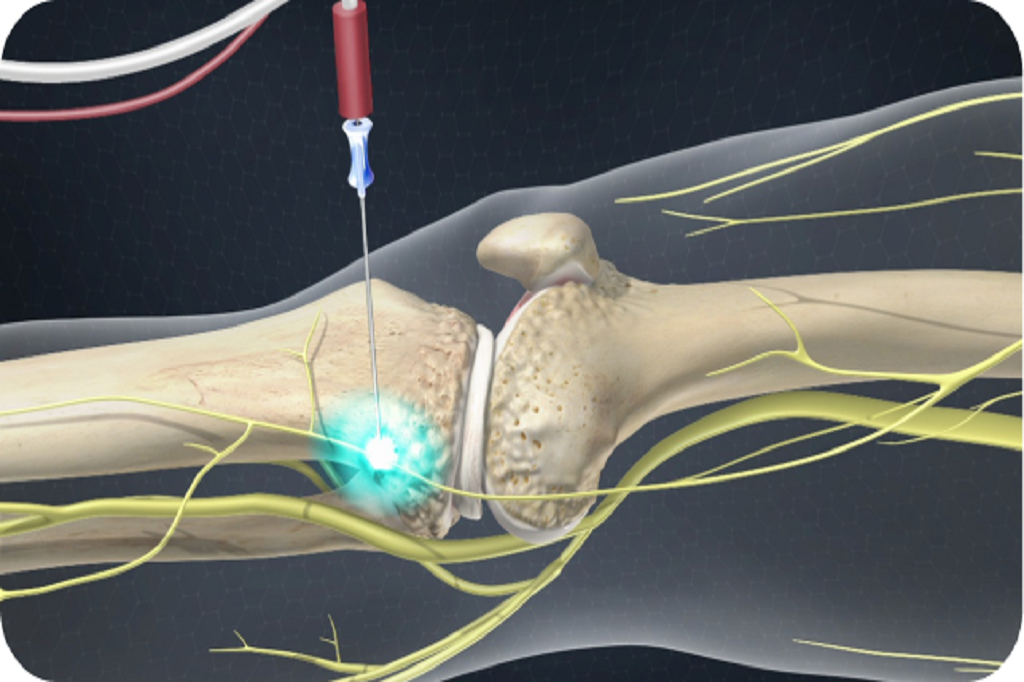
For nerve-related knee pain after trauma or surgery.
Learn More
Choice of injection, nerve block, or advanced procedure depending on the cause.
Most patients return to walking and daily activities quickly, with ongoing support as needed.
Review of medical history, exam, and MRI/ultrasound if needed.
Performed under local anesthesia, usually within minutes.
01Consultation & Imaging
Review of medical history, exam, and MRI/ultrasound if needed.
02Personalized Treatment Plan
Choice of injection, nerve block, or advanced procedure depending on the cause.
03Outpatient Procedure
Performed under local anesthesia, usually within minutes.
04Recovery & Follow-Up
Most patients return to walking and daily activities quickly, with ongoing support as needed.
Don’t let knee pain stop you from moving freely. Schedule a consultation with our pain management specialists to explore advanced treatments that can help you return to an active life.