






Even after surgery, pain can persist, but advanced treatments can bring real relief and restore quality of life.

Post-surgical pain is discomfort that lingers long after an operation. In most cases, pain should gradually improve, but in some patients it persists for months or even years. When pain specifically follows spine surgery and does not improve, it is often referred to as Failed Back Surgery Syndrome (FBSS).


Incorrectly identified pain source during surgery


Nerve injury during the procedure

Spinal instability or poor healing

Complex pain syndromes (e.g., CRPS after surgery)
Surgery corrects structural problems but does not always address nerve irritation or scar tissue. For some patients, pain returns or never fully goes away. Medications may mask symptoms, but advanced pain interventions are often needed to provide lasting relief.
At Armada Medical Center, Dr. Babak Babakhani, MD, PhD, provides minimally invasive procedures that specifically target persistent pain after surgery:

Breaks down scar tissue around nerves to relieve compression.
Learn More

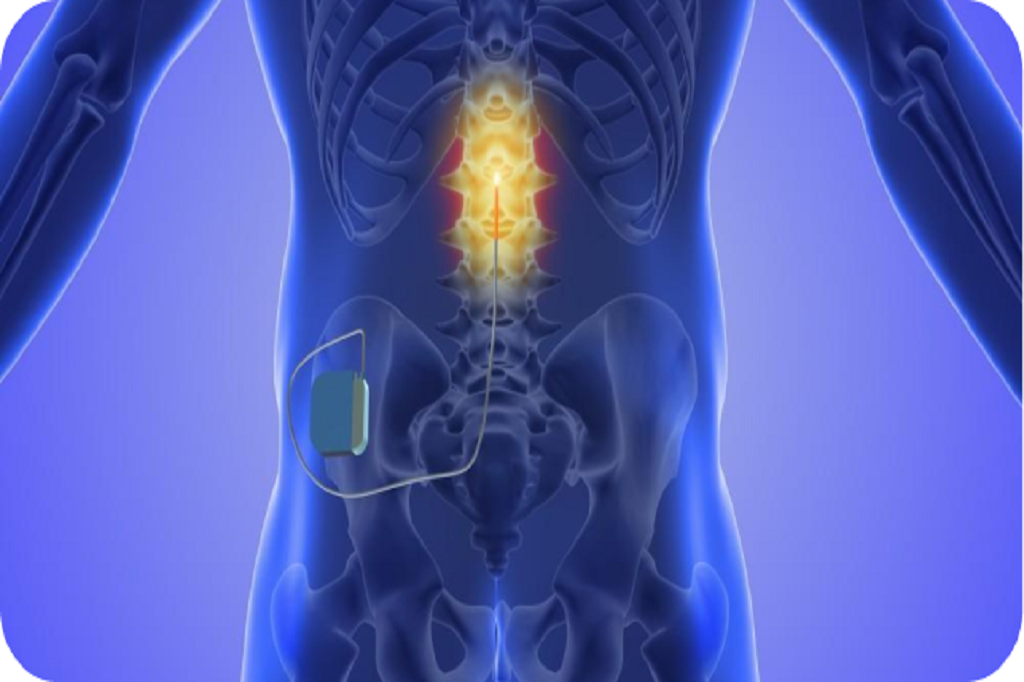
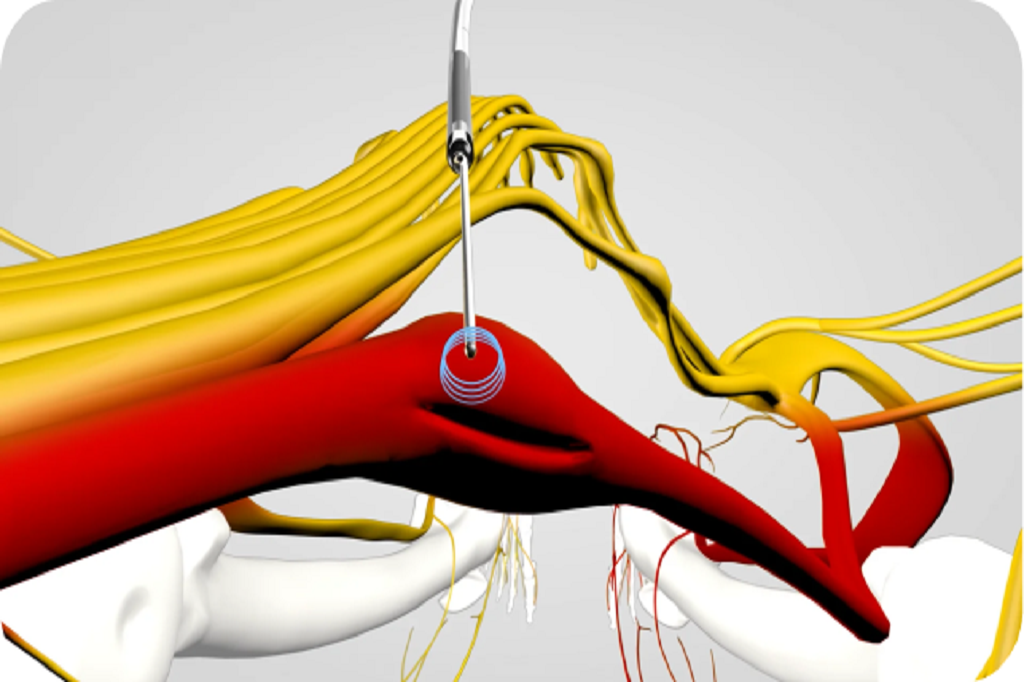
A primary, highly effective treatment for FBSS that masks pain signals from the spinal cord.
Learn More
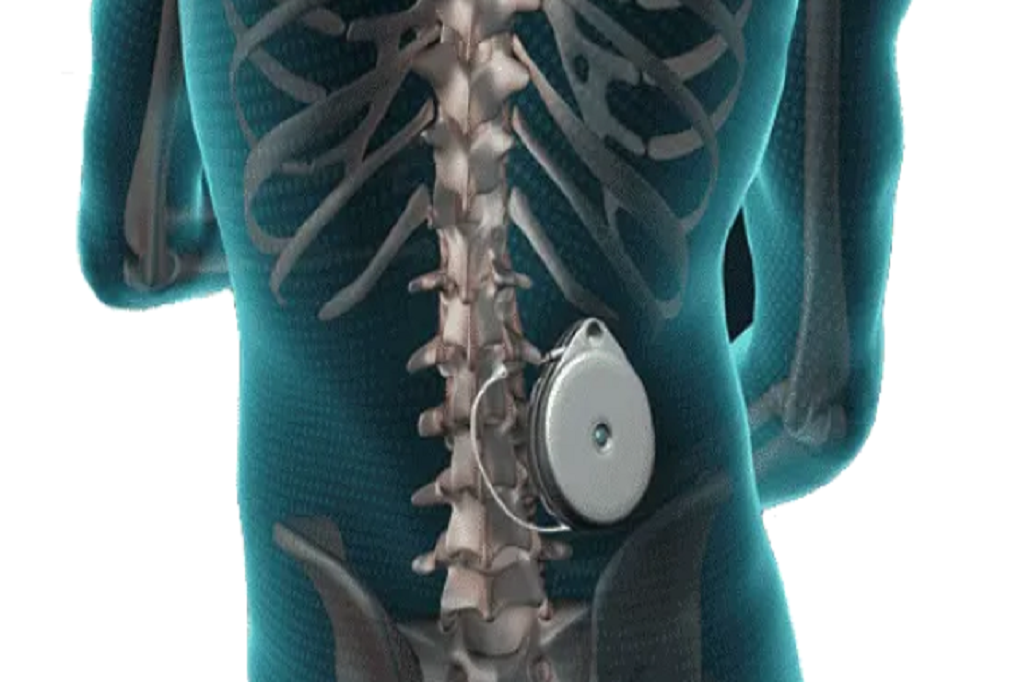
For refractory pain unresponsive to other therapies (including SCS), delivers medication directly to spinal fluid.
Learn More
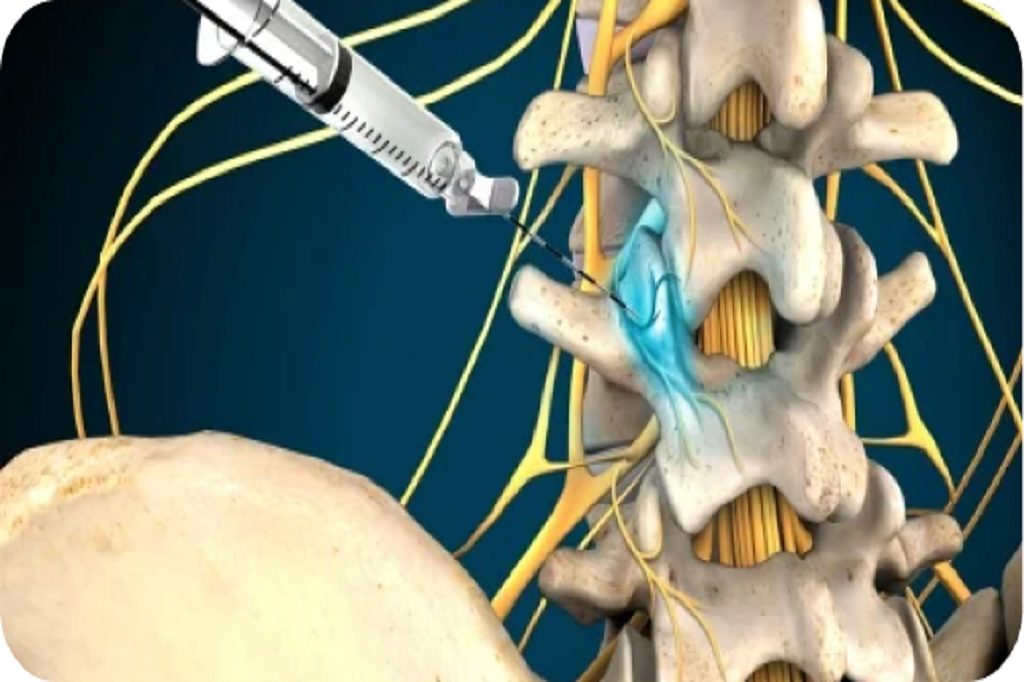
Targeted procedures for residual nerve pain after surgery.
Learn More
Determining whether pain comes from scar tissue, recurrent disc, or nerve injury.
Long-term care to manage symptoms and restore quality of life.

Review of surgical history, imaging, and current symptoms.
Selection of the most appropriate minimally invasive procedure.
Review of surgical history, imaging, and current symptoms.
Determining whether pain comes from scar tissue, recurrent disc, or nerve injury.
Selection of the most appropriate minimally invasive procedure.
Long-term care to manage symptoms and restore quality of life.
If you still live with pain after surgery, you are not alone. Schedule a consultation with Dr. Babak to explore advanced treatments for lasting relief.