
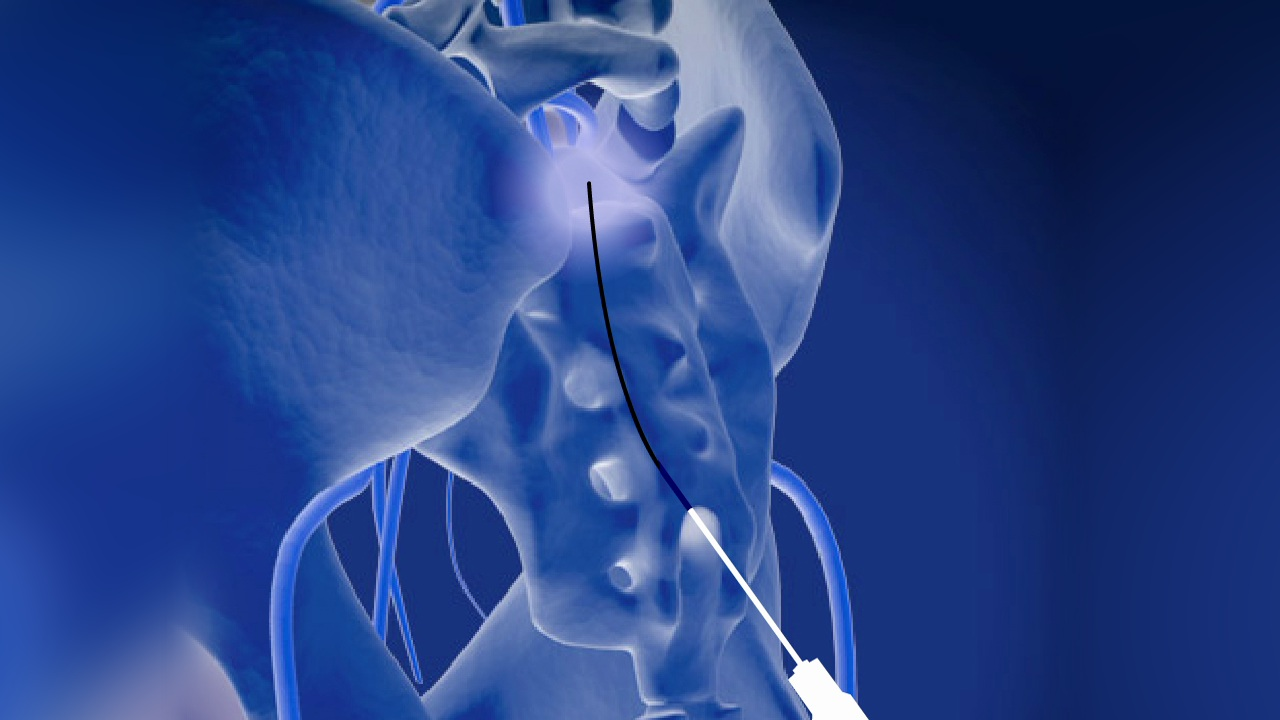

Advanced, minimally invasive options to relieve pressure on spinal nerves caused by herniated or bulging discs.

Endoscopic spine surgery is a minimally invasive approach that uses a small camera and specialized instruments to access and treat spinal problems through tiny incisions. Unlike traditional open surgery, these procedures cause less tissue damage, lead to faster recovery, and are often performed as outpatient treatments.
Endoscopic spine procedures are recommended for patients with:

Disc material pressing on nearby nerves causing back or leg pain

Nerve compression in the lower back leading to radiating pain down the leg
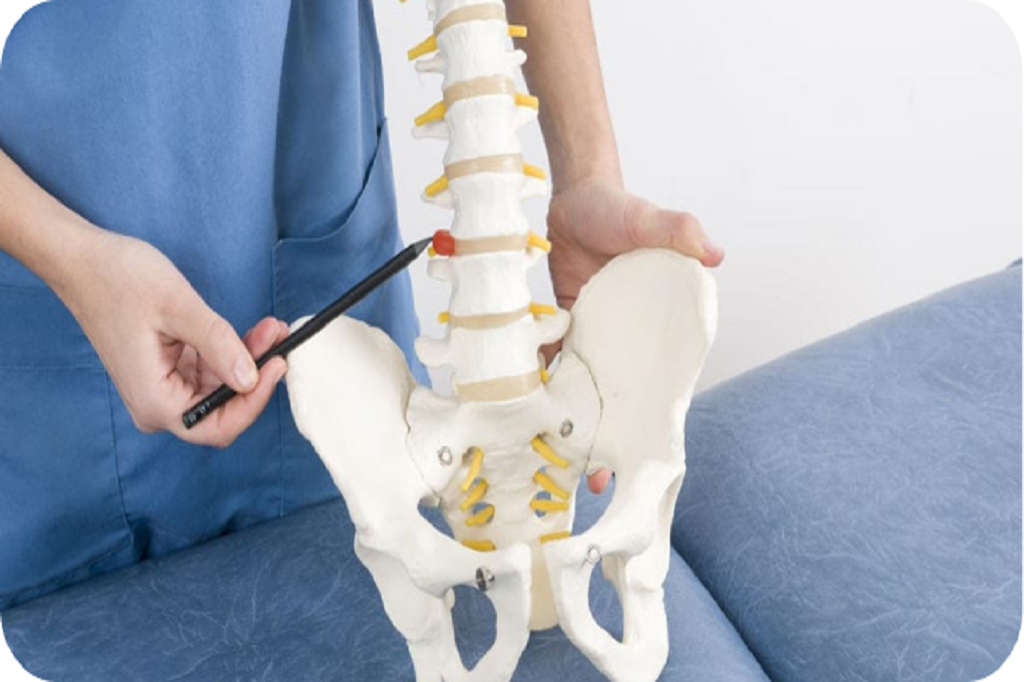
Narrowing of the spinal canal causing nerve compression and pain

Persistent or recurrent pain after prior spine surgery
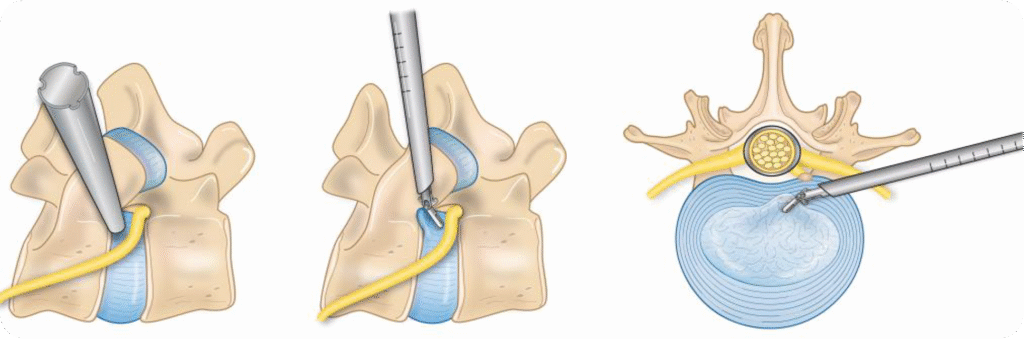

Through a small incision, a thin tube with a camera (endoscope) is inserted into the spine. Specialized tools are then used to remove herniated disc material, widen narrowed areas, or release compressed nerves. This provides lasting pain relief with minimal disruption to surrounding tissues.

Tiny incision, minimal scarring

Less blood loss and muscle damage

Faster recovery and shorter hospital stay

Outpatient procedure in most cases

Discuss all potential risks, such as dural tears or nerve injury, with your doctor.
Performed under anesthesia, usually lasting 1–2 hours.
Regular check-ups ensure healing and guide rehabilitation.

MRI or CT scans confirm the diagnosis.
Patients typically walk within hours and resume daily activities within days to weeks.
MRI or CT scans confirm the diagnosis.
Performed under anesthesia, usually lasting 1–2 hours.
Patients typically walk within hours and resume daily activities within days to weeks.
Regular check-ups ensure healing and guide rehabilitation.
Endoscopic spine procedures offer patients relief with a different risk profile than traditional surgery. Schedule your consultation with Dr. Babak to explore this advanced, minimally invasive solution.