

A precise, minimally invasive procedure that uses heat to stop chronic pain signals, offering months or even years of relief.

Radiofrequency Ablation (RFA), also called radiofrequency neurotomy, is an advanced pain management procedure that uses controlled heat energy to deactivate specific pain-carrying nerves.
By applying radiofrequency waves through a thin needle, the nerve’s ability to send pain signals is interrupted — without affecting surrounding muscles or movement.
RFA is performed under fluoroscopic (C-Arm) or ultrasound guidance for maximum precision and safety. It is typically recommended when a diagnostic nerve block has already confirmed the source of pain.
RFA is most effective for patients with:

caused by facet joint arthritis

in the lower back or mid-spine (facet arthropathy)
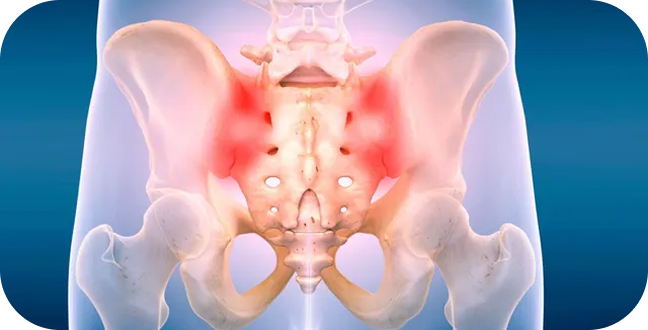
not responding to injection therapy
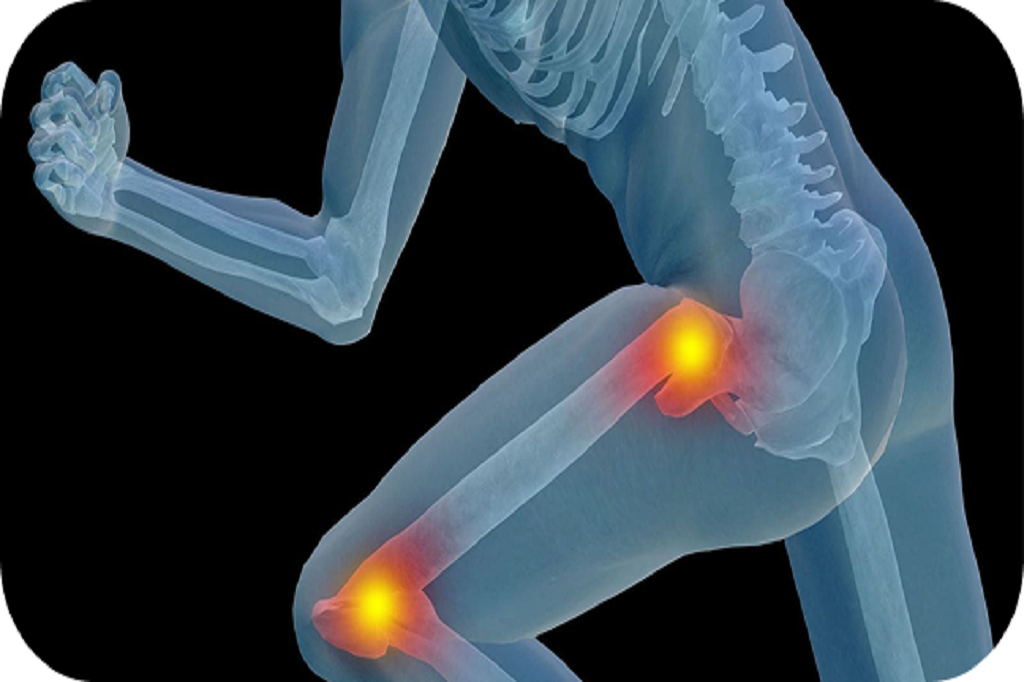
after successful diagnostic nerve block
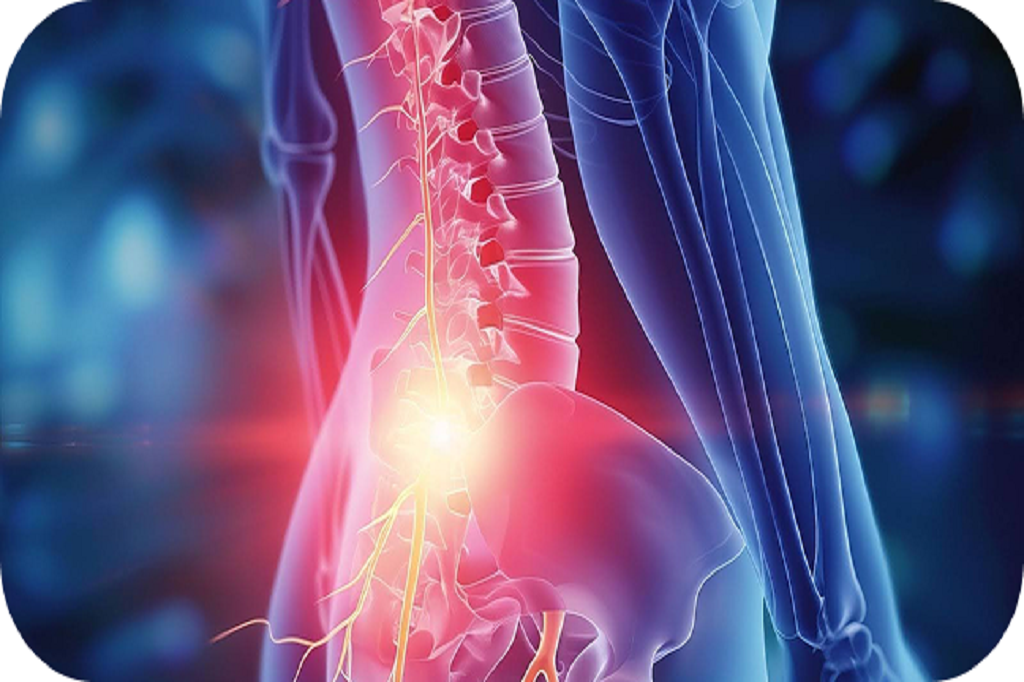
due to nerve overactivity

Long-lasting pain relief (often 6–18 months)
Minimally invasive and performed as an outpatient procedure

Reduced dependence on pain medications

Improved mobility and quality of life

Minimal downtime — most patients resume normal activity within days

Can be repeated if pain returns
Under local anesthesia and image guidance, thin probes deliver controlled radiofrequency energy to the target nerves (usually 30–60 minutes).
Dr. Babak monitors your progress and recommends rehabilitation or maintenance therapy as needed.
RFA is only performed after one or two diagnostic medial branch blocks (see Facet page) confirm the pain source
Mild soreness or temporary numbness at the site is common ; pain relief may begin within 1-3 weeks
RFA is only performed after one or two diagnostic medial branch blocks (see Facet page) confirm the pain source
Under local anesthesia and image guidance, thin probes deliver controlled radiofrequency energy to the target nerves (usually 30–60 minutes).
Mild soreness or temporary numbness at the site is common ; pain relief may begin within 1-3 weeks
Dr. Babak monitors your progress and recommends rehabilitation or maintenance therapy as needed.
If you’ve experienced short-term relief from nerve blocks, Radiofrequency Ablation could be your next step toward long-lasting comfort and restored mobility. Book a consultation with Dr. Babak to see if this minimally invasive treatment is right for you.