

Advanced interventional techniques that relieve severe cancer-related pain when medication alone is not enough.

Cancer pain can arise from tumor pressure, nerve injury, or treatment-related damage.
While medications often provide relief, some patients experience persistent or intense pain that requires targeted interventional therapy.
Dr. Babak performs a range of minimally invasive nerve-blocking and neurolytic procedures designed to control pain at its source — helping patients maintain dignity, mobility, and quality of life throughout treatment or palliative care.
Cancer pain procedures are typically recommended for:
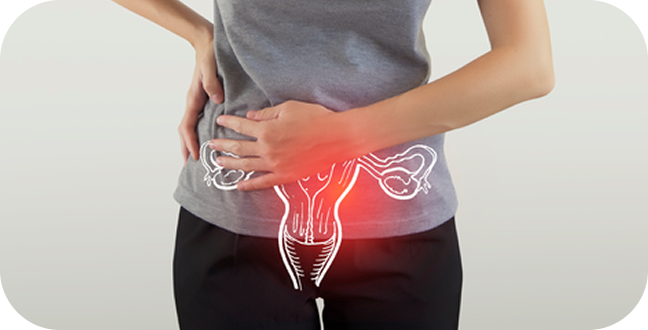
(e.g., pancreatic, liver, or gynecologic cancers)
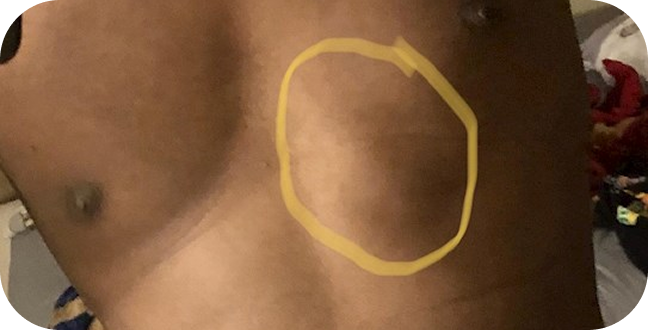
(lung or esophageal cancers)
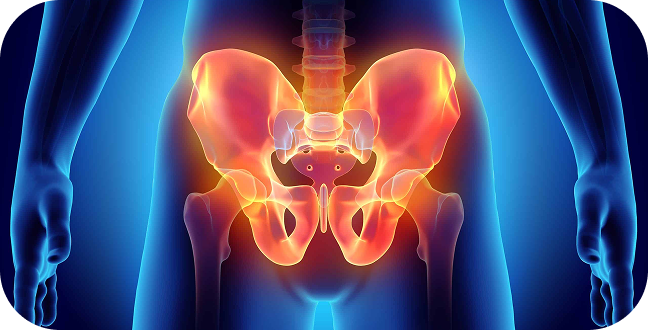
not responding to systemic opioids
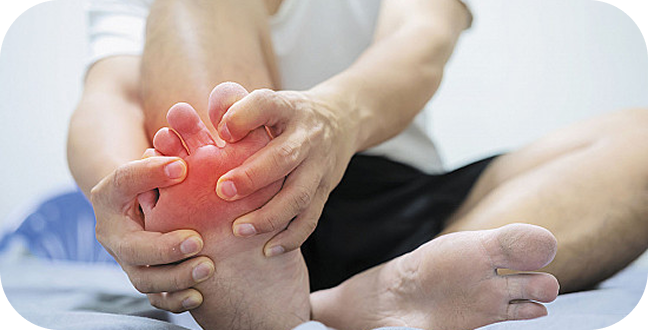
from chemotherapy or tumor-related nerve compression


Significant pain reduction with lower medication doses

Fewer systemic side effects compared to oral opioids

Improved appetite, sleep, and mobility

Performed under local anesthesia with minimal recovery time

Risks vary by procedure and may include diarrhea or low blood pressure (celiac block)

Suitable for both curative and palliative care settings
Performed under local anesthesia with X-ray or ultrasound guidance; duration typically 30–60 minutes.
Response is monitored closely; repeat or complementary treatments may be recommended for optimal relief.

Dr. Babak reviews your pain pattern, scans, and current medications to select the most appropriate procedure.
Most patients rest briefly and return home the same day; pain relief often begins within hours.
Dr. Babak reviews your pain pattern, scans, and current medications to select the most appropriate procedure.
Performed under local anesthesia with X-ray or ultrasound guidance; duration typically 30–60 minutes.
Most patients rest briefly and return home the same day; pain relief often begins within hours.
Response is monitored closely; repeat or complementary treatments may be recommended for optimal relief.
If cancer pain continues despite medication, advanced interventional options can bring meaningful comfort and restore quality of life. Schedule a consultation with Dr. Babak to discuss safe, effective procedures tailored to your condition.