


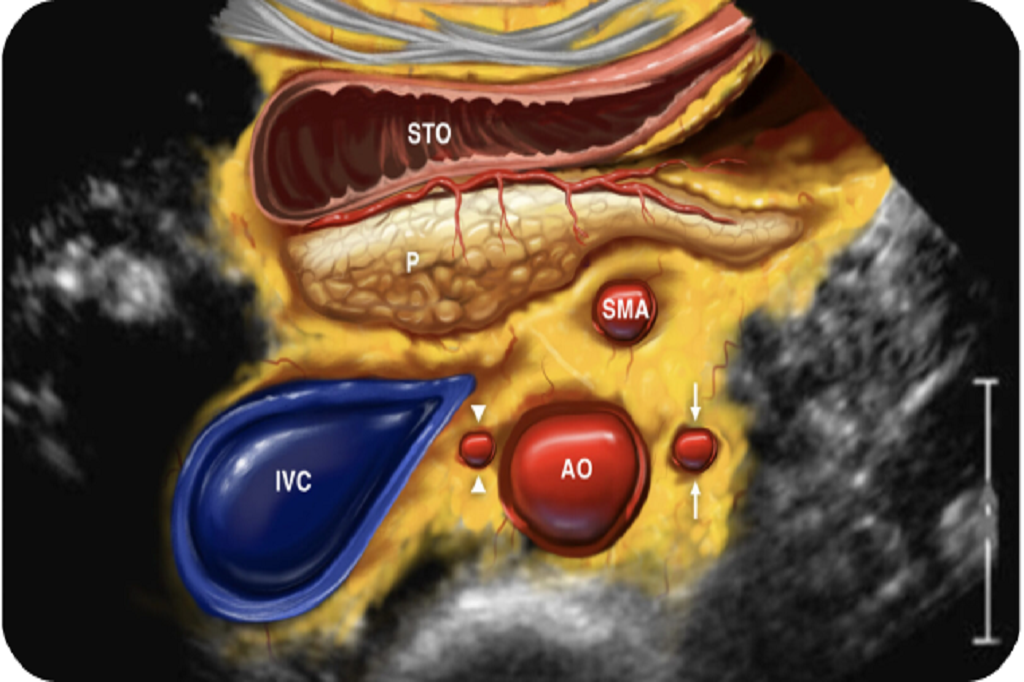
Cancer Pain

When pain from cancer or its treatment becomes overwhelming, advanced therapies can provide relief and restore quality of life.

What is Cancer Pain?

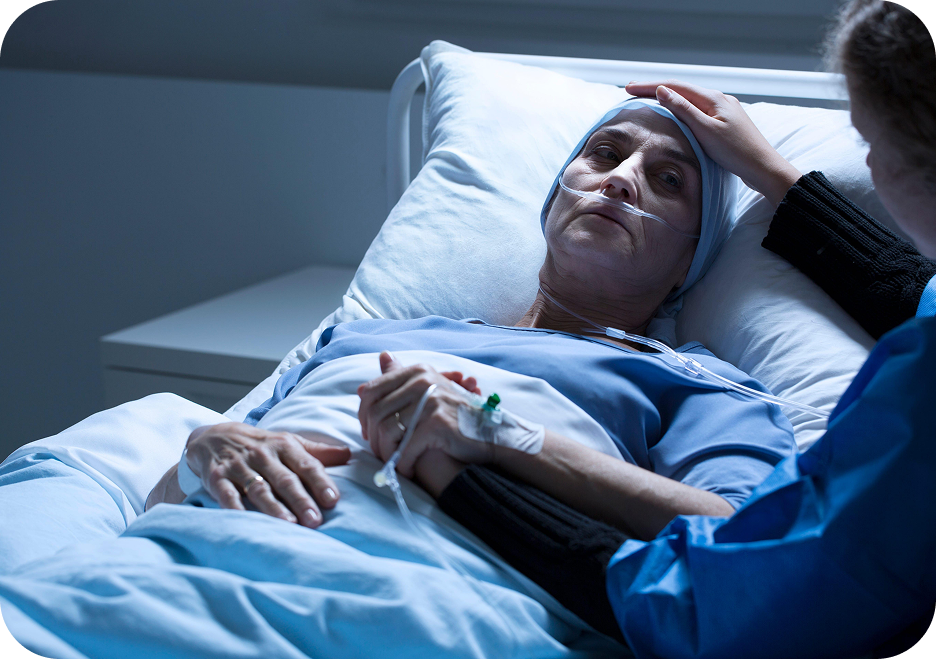
Cancer pain can be caused by the disease itself, such as tumors pressing on nerves, bones, or organs, or by treatments like surgery, chemotherapy, or radiation. For many patients, standard medications are not enough, and stronger, more targeted options are required to manage the pain effectively.

Types & Causes

Tumor-Related Pain
Pressure on nerves, bones, or organs.
Post-Surgical Pain
Pain after tumor removal or reconstructive surgery.
Chemotherapy-Induced Neuropathy
Burning or tingling nerve pain as a side effect of cancer drugs.
Radiation-Induced Pain
Tissue or nerve injury from radiation therapy.
Breakthrough Pain
Sudden, severe pain episodes despite ongoing medication.

Symptoms:

Pain that disrupts sleep, appetite, and daily life

While opioids and strong painkillers are commonly prescribed, many patients still experience uncontrolled pain, or they struggle with medication side effects. For advanced or resistant pain, specialized interventional treatments can provide long-term relief and reduce reliance on systemic drugs.

Pain that disrupts sleep, appetite, and daily life

While opioids and strong painkillers are commonly prescribed, many patients still experience uncontrolled pain, or they struggle with medication side effects. For advanced or resistant pain, specialized interventional treatments can provide long-term relief and reduce reliance on systemic drugs.

Treatments for Cancer Pain

At Armada Medical Center, Dr. Babak Babakhani, MD, PhD, offers advanced interventional pain treatments that go beyond traditional medications:

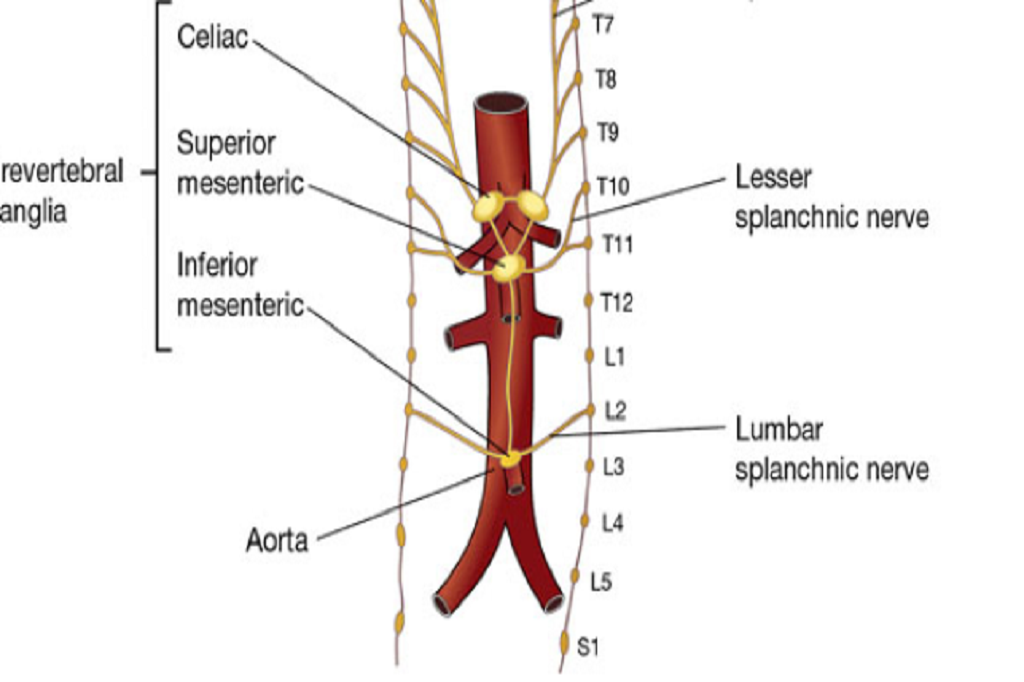
Celiac Plexus Block & Neurolysis

For abdominal cancer pain (e.g., pancreatic, stomach, or liver cancers)
Learn More

Splanchnic Nerve Block

Pain relief for upper abdominal cancers.
Learn More
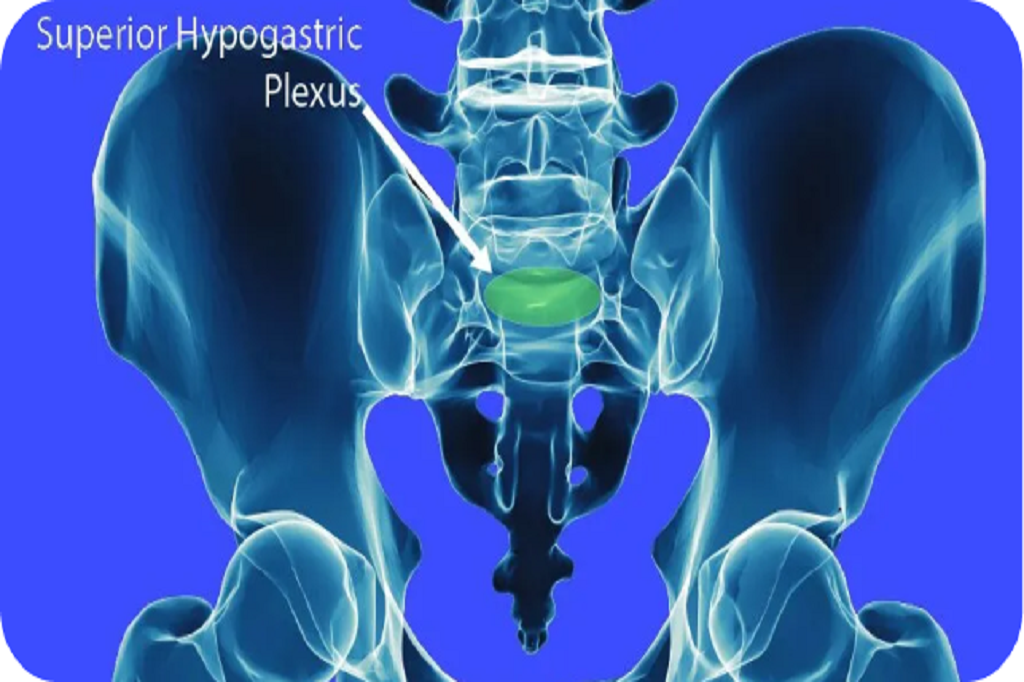
Superior Hypogastric Plexus Block

For pelvic cancer pain (e.g., gynecological, prostate cancers).
Learn More
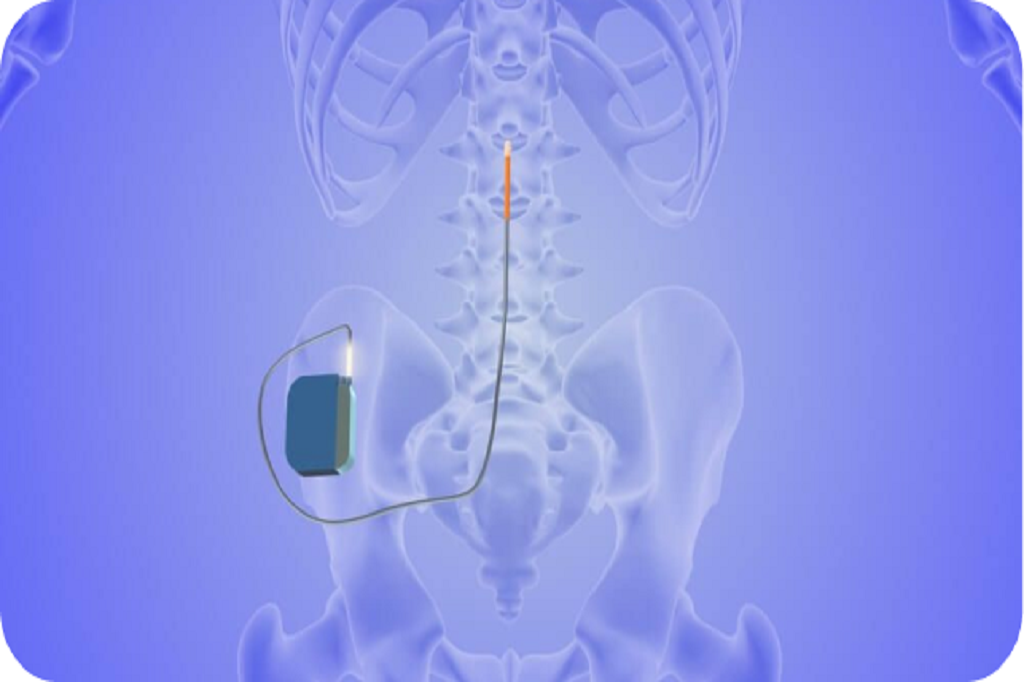
Spinal Cord Stimulation (SCS)

An emerging option being studied for resistant neuropathic pain from cancer treatments, such as chemotherapy.
Learn More
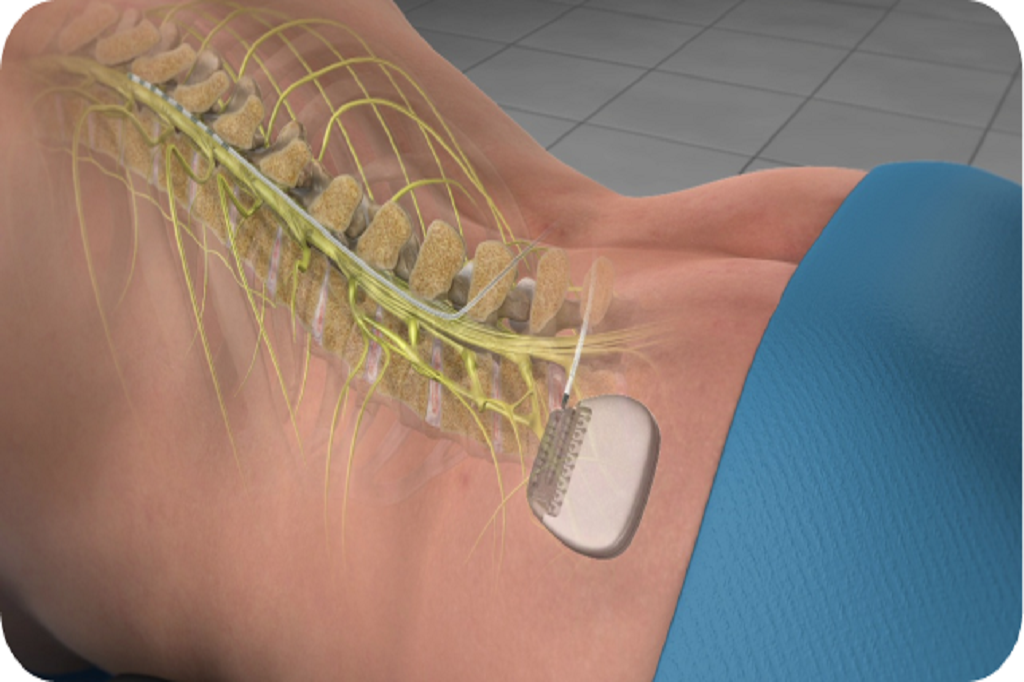
Intrathecal Pain Pump

For refractory pain, delivers medication directly to spinal fluid for powerful relief with fewer systemic side effects.
Learn More
What to Expect

Tailored Plan

Selecting the right intervention based on whether the pain is nerve, bone, or organ-related.


Ongoing Care

Continuous monitoring and support in collaboration with oncology teams.

Comprehensive Assessment

Review of cancer history, current treatments, and type of pain.

Minimally Invasive Procedure

 Most blocks and implantable devices are done on an outpatient basis.

01
Comprehensive Assessment

Review of cancer history, current treatments, and type of pain.

02
Tailored Plan

Selecting the right intervention based on whether the pain is nerve, bone, or organ-related.

03
Minimally Invasive Procedure

Most blocks and implantable devices are done on an outpatient basis.

04
Ongoing Care

Continuous monitoring and support in collaboration with oncology teams.

Cancer is difficult enough without the added burden of uncontrolled pain. Schedule a consultation with Dr. Babak to explore advanced, compassionate solutions for cancer-related pain relief.