
Sciatica

A sharp, shooting pain that travels from the lower back down the leg, but with the right treatment, lasting relief is possible.

What is Sciatica?

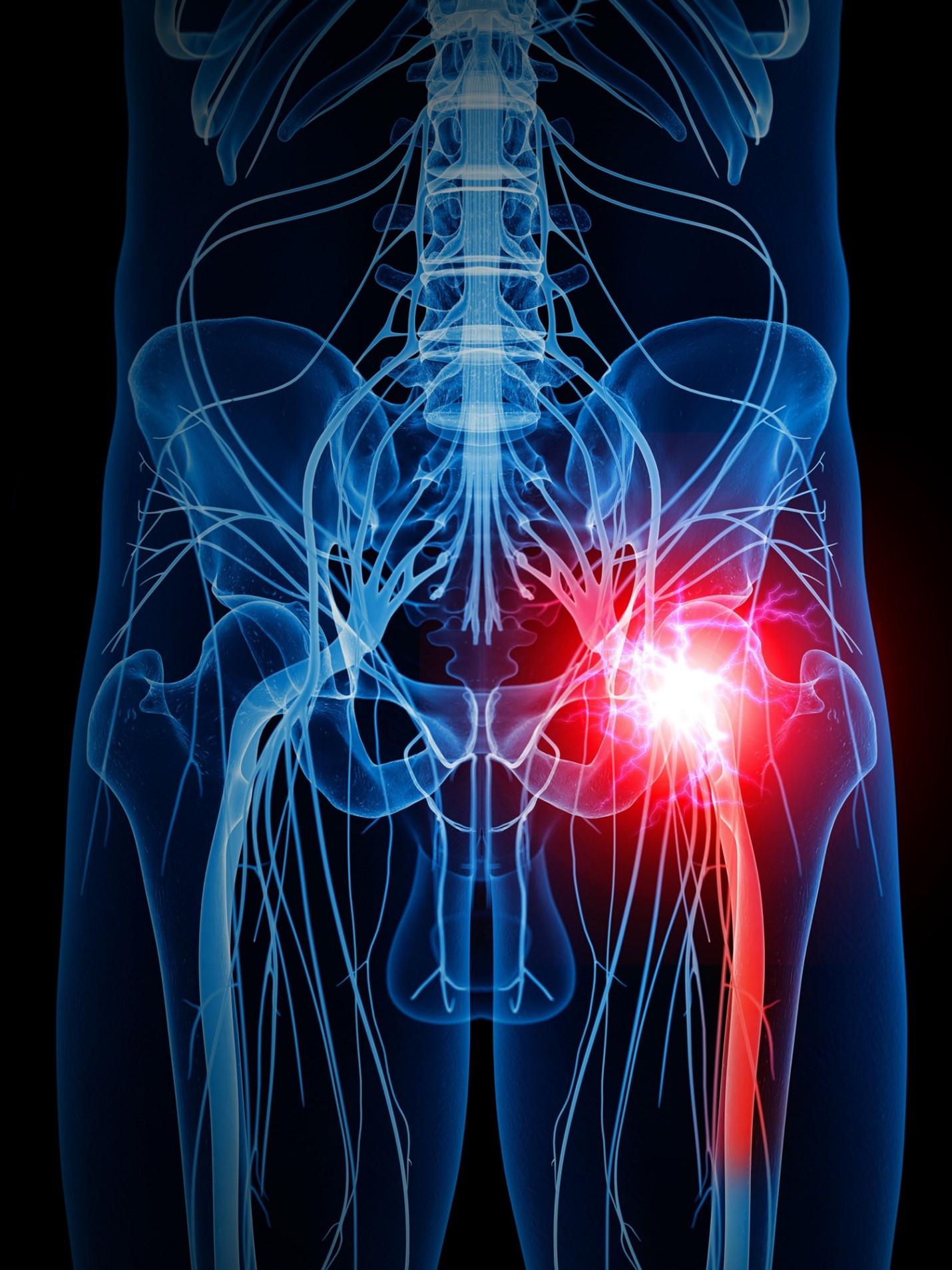
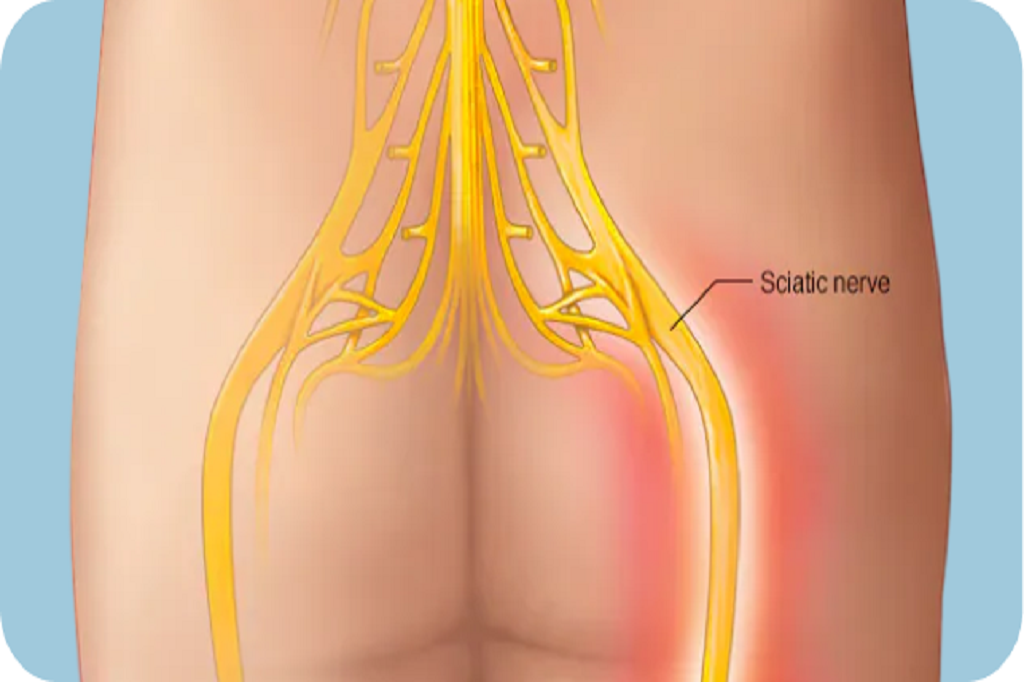
Sciatica is not a disease itself, but a collection of symptoms caused when the sciatic nerve, the longest nerve in the body, becomes irritated or compressed.
This often leads to pain, tingling, or weakness that radiates from the lower back down to the buttock, thigh, and even the foot.

Causes & Risk Factors

Herniated or slipped discs pressing on the sciatic nerve

Bone spurs or arthritis in the spine

Spinal stenosis (narrowing of the spinal canal)

Piriformis syndrome (muscle pressure on the sciatic nerve)

Obesity or sedentary lifestyle

Prior spine surgery or scar tissue

Symptoms:

When Sciatica Persists?

While many patients improve with conservative care like physiotherapy, some cases don’t resolve on their own. If symptoms persist for months, it may be classified as chronic. This often happens when underlying nerve compression isn’t relieved, requiring a more targeted approach

When Sciatica Persists?​

While many patients improve with conservative care like physiotherapy, some cases don’t resolve on their own. If symptoms persist for months, it may be classified as chronic. This often happens when underlying nerve compression isn’t relieved, requiring a more targeted approach

Treatments for Sciatica

At Armada Medical Center, Dr. Babak Babakhani, MD, PhD, provides advanced, minimally invasive treatments that target the source of sciatic nerve pain and inflammation:

Epidural Steroid Injections

Delivers targeted anti-inflammatory medication to help reduce acute inflammation and pressure around the nerve roots.
Learn More

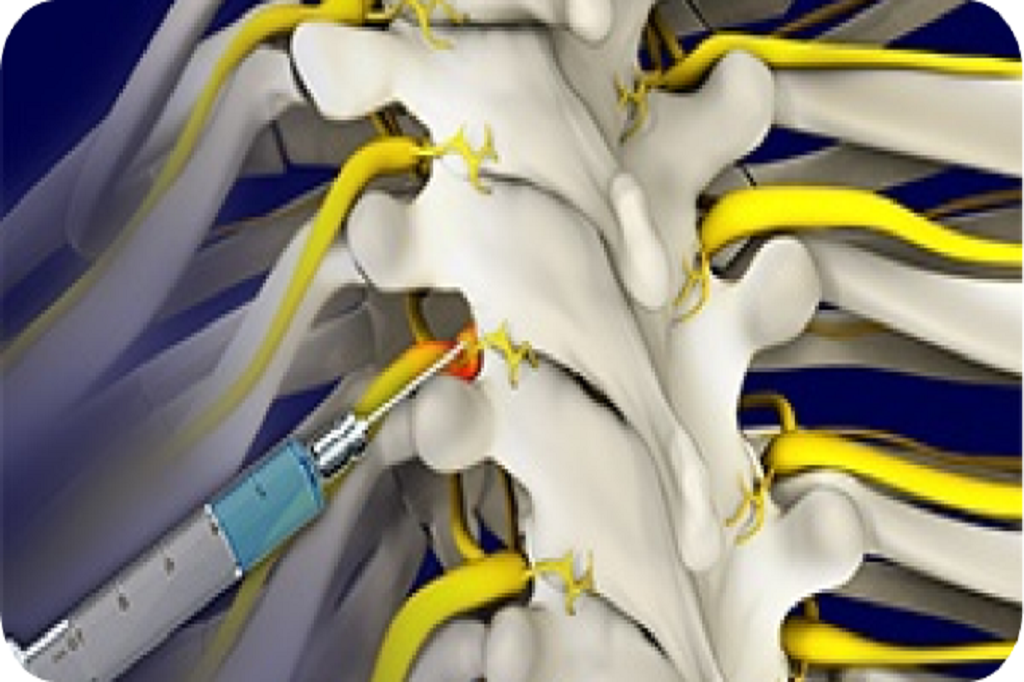
Selective Nerve Root Blocks

Precise injections to both diagnose the specific nerve root causing pain and calm irritation with targeted medication.
Learn More
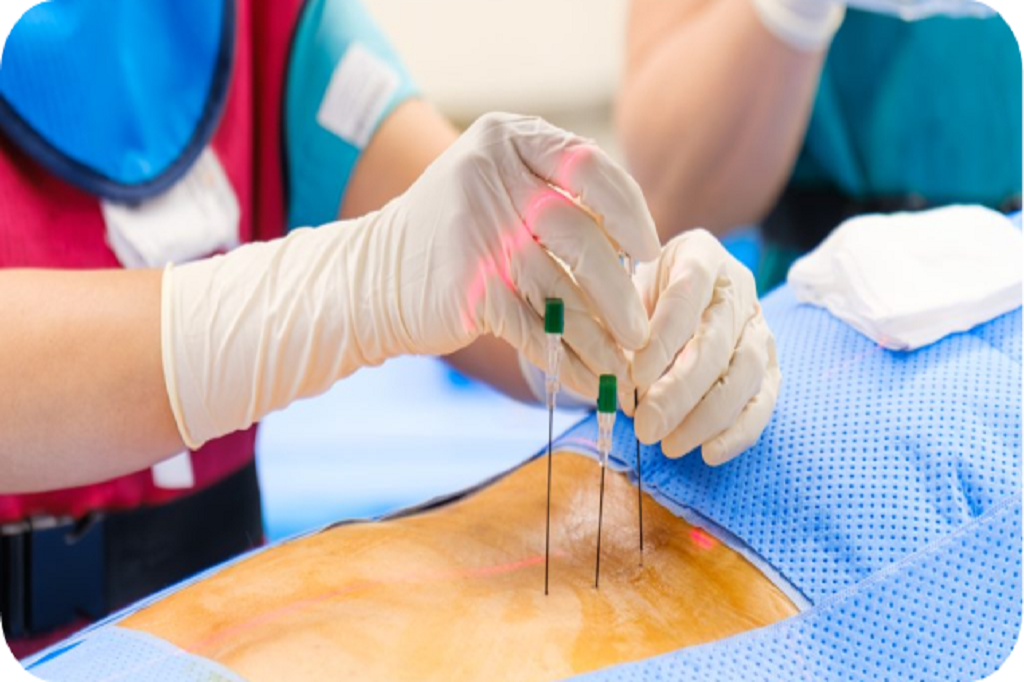
Pulsed Radiofrequency (PRF)

Advanced neuromodulation to provide long-term relief by calming pain signals from the affected nerve root ganglion.
Learn More
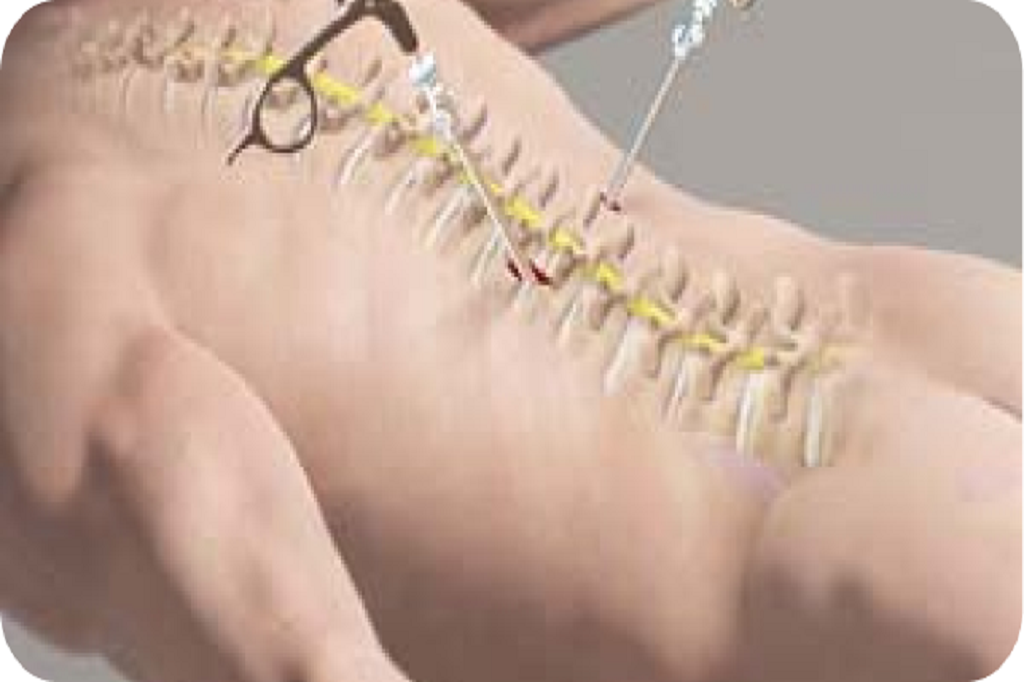
Endoscopic Spine Procedures

Minimally invasive surgery to remove disc herniation or relieve spinal stenosis.
Learn More
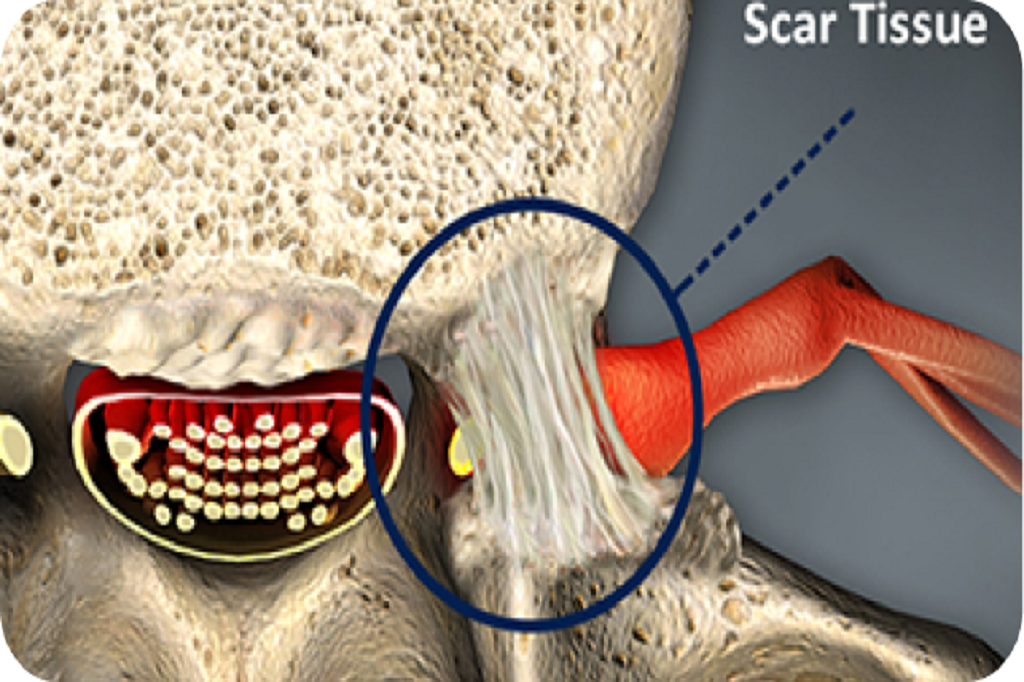
Epiduroplasty (Adhesiolysis)

For chronic pain after prior surgery, this procedure breaks up scar tissue (adhesions) compressing nerve roots.
Learn More
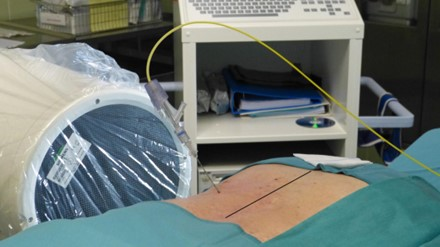
Percutaneous Disc Decompression

Relieves sciatica by utilizing techniques such as PLDD and Nucleoplasty to vaporize a small portion of the nucleus pulposus, which reduces internal pressure and allows the herniated disc to retract away from the nerve.

Learn More
What to Expect

Personalized Plan

Tailored treatment depending on whether the sciatica is disc-related, stenosis-related, or muscular.


Recovery & Support

 Patients often experience significant pain relief within days, with ongoing care to prevent recurrence.

Consultation & Diagnosis

Physical exam, medical history. Advanced imaging (MRI or CT) is ordered when necessary to identify the precise cause.

Minimally Invasive Procedure

Most treatments are minimally invasive and done without hospital admission.


01
Consultation & Diagnosis

Physical exam, medical history. Advanced imaging (MRI or CT) is ordered when necessary to identify the precise cause.

02
Personalized Plan

Tailored treatment depending on whether the sciatica is disc-related, stenosis-related, or muscular.

03
Minimally Invasive Procedure

Most treatments are minimally invasive and done without hospital admission.

04
Recovery & Support

Patients often experience significant pain relief within days, with ongoing care to prevent recurrence.

You don’t have to live with the shooting pain of sciatica.
Schedule a consultation with Dr. Babak to explore safe, advanced options for relief and recovery.